
Smart Construction
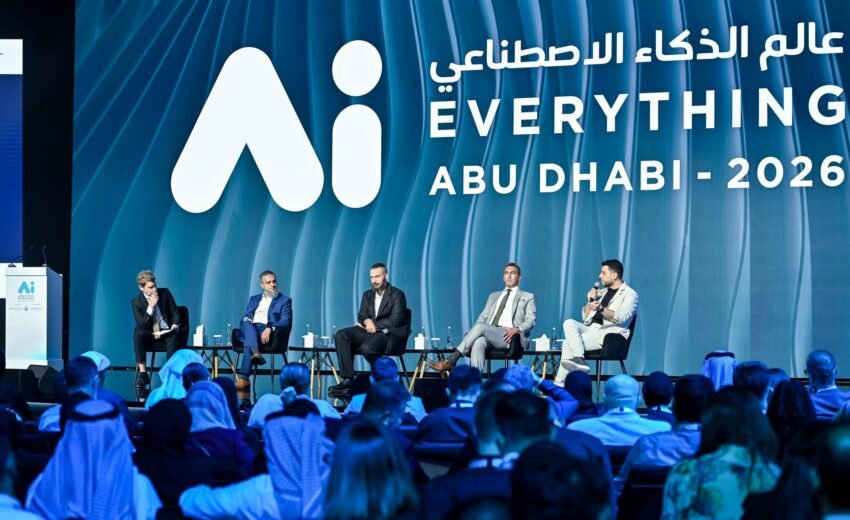
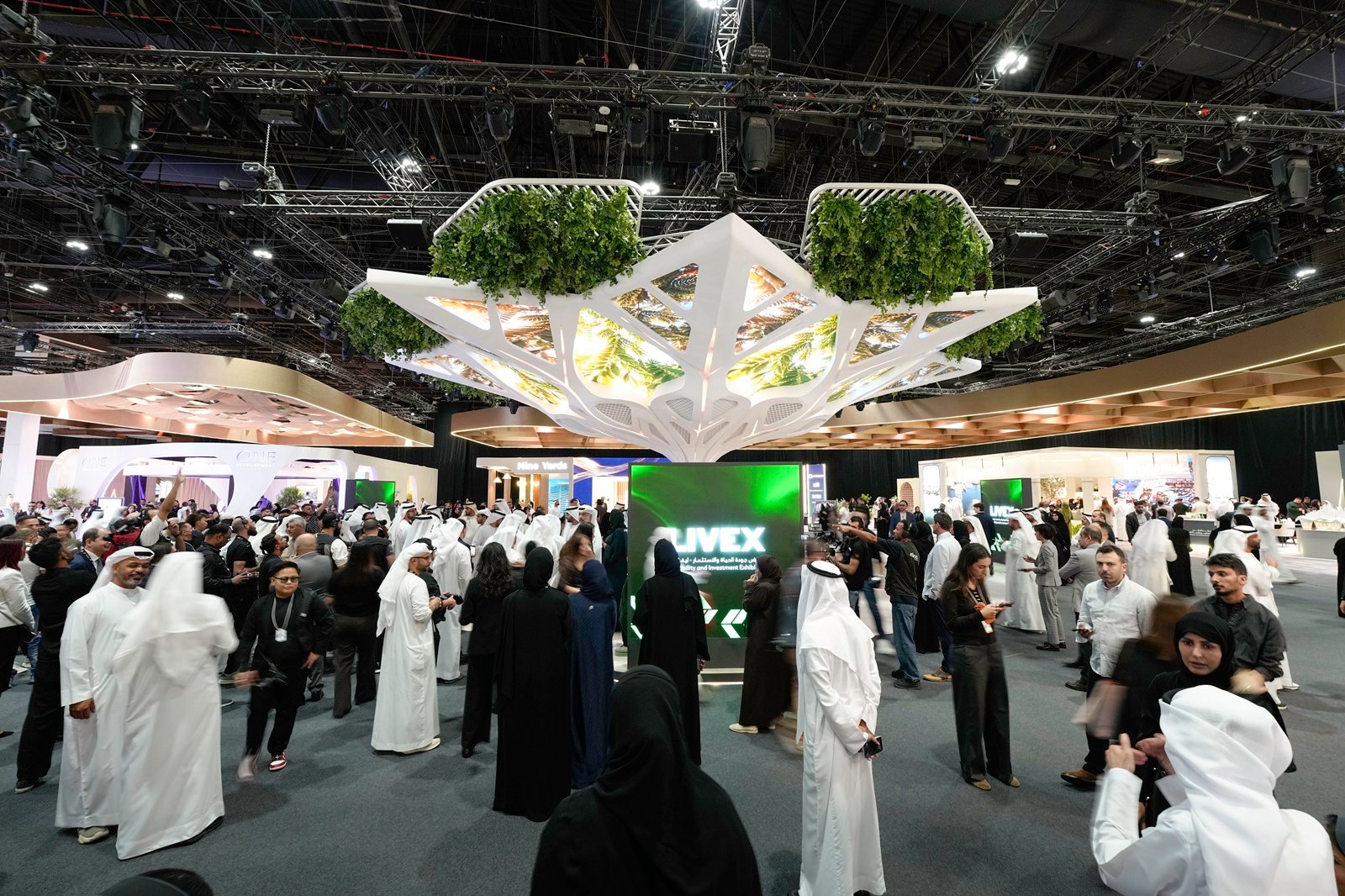
Cities are no longer competing simply through iconic buildings, infrastructure capacity, or economic growth. The next generation of cities will be judged by something more integrated: how effectively they connect people, place, mobility, investment, culture, sustainability, infrastructure, and quality of life. That idea was at the heart of LIVEX 2026 in Abu Dhabi — and it strongly resonates with the direction of the architecture, engineering, and planning industry.
Over three days, the ACE team participated in sessions, workshops, discussions, and industry conversations exploring how Abu Dhabi is shaping its next chapter of urban growth. For us, the significance of the event went well beyond attendance. It offered an opportunity to look at the future of the city from a wider perspective — not project by project, but as one interconnected urban system.
Liveability Is Becoming Infrastructure
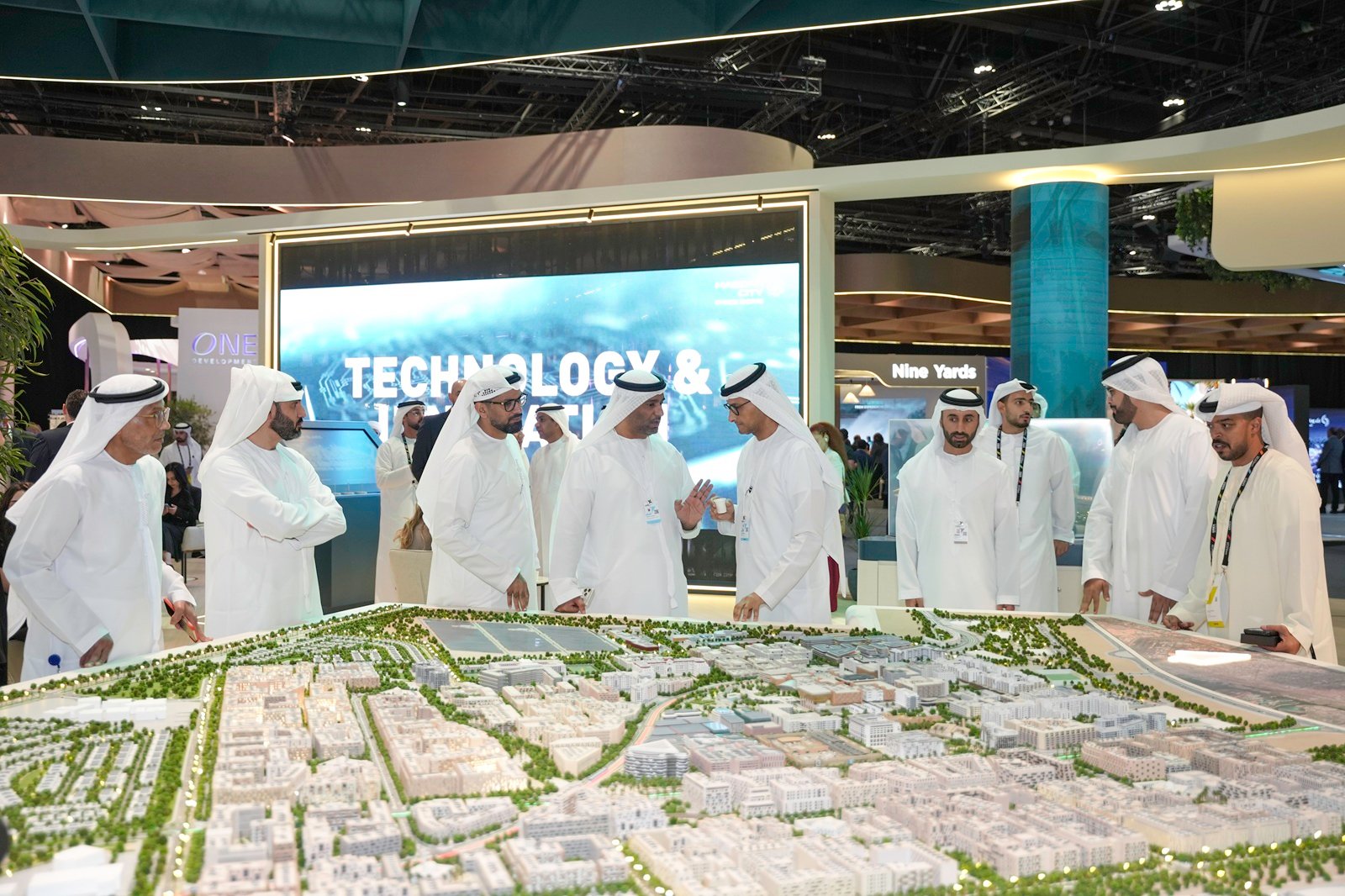
One of the clearest messages emerging from LIVEX was that liveability can no longer be treated as a soft outcome that comes after infrastructure is delivered. It needs to be designed into the city from the beginning.
Transport networks, public spaces, neighbourhood planning, housing, workplaces, cultural destinations, health, education, energy, and community facilities all influence how people experience a city. Infrastructure and master planning must respond not only to technical capacity, but also to the quality of everyday life they enable.
For consultants, this changes the question. It is no longer simply, “Can we design and deliver the infrastructure?” It is also, “What kind of city will that infrastructure create?”
From Individual Projects to Connected Urban Systems
Abu Dhabi’s continued growth is creating opportunities across an extraordinary range of sectors — from major infrastructure and mobility to residential communities, mixed-use destinations, hospitality, public realm, cultural projects, and large-scale master planning. But the more important opportunity lies in how these projects connect.
Planning Beyond Project Boundaries
A successful master plan cannot exist independently from mobility. Mobility cannot be separated from land use. Land use cannot be separated from investment. Investment cannot be separated from quality of life. Ultimately, quality of life depends on how all of these systems work together.
The future consultant will need to understand not only buildings and infrastructure, but also the relationships between planning, investment, technology, sustainability, operations, and human experience.
Capital Is Shaping the City — and the City Is Shaping Capital
Major capital is no longer looking only for isolated assets. It increasingly evaluates the wider environment around them: connectivity, infrastructure, community, mobility, services, public realm, and long-term resilience. The city itself becomes part of the investment proposition.
Urban Quality and Economic Growth
For Abu Dhabi, this relationship is particularly powerful. Long-term planning, government direction, infrastructure investment, and a growing portfolio of development opportunities are creating a platform where urban quality and economic growth can reinforce one another.
This encourages planners, architects, engineers, developers, and investors to think beyond the boundaries of an individual plot.
Master Planning Is Becoming More Multidisciplinary
Master planning has always required coordination between different disciplines. Today, however, that coordination is becoming deeper.
Connecting Technical, Commercial, and Human Priorities
Planning increasingly intersects with infrastructure and utilities; mobility and transport; sustainability and resilience; digital systems and smart-city technologies; landscape and public realm; social infrastructure; commercial feasibility; development phasing; investment strategy; and long-term operations.
Successful master planning depends on bringing technical, spatial, commercial, and human considerations together from the earliest stages. For multidisciplinary consultancies such as ACE, this creates an opportunity to connect individual disciplines into a more coherent development strategy.
Technology Will Change How Cities Are Planned
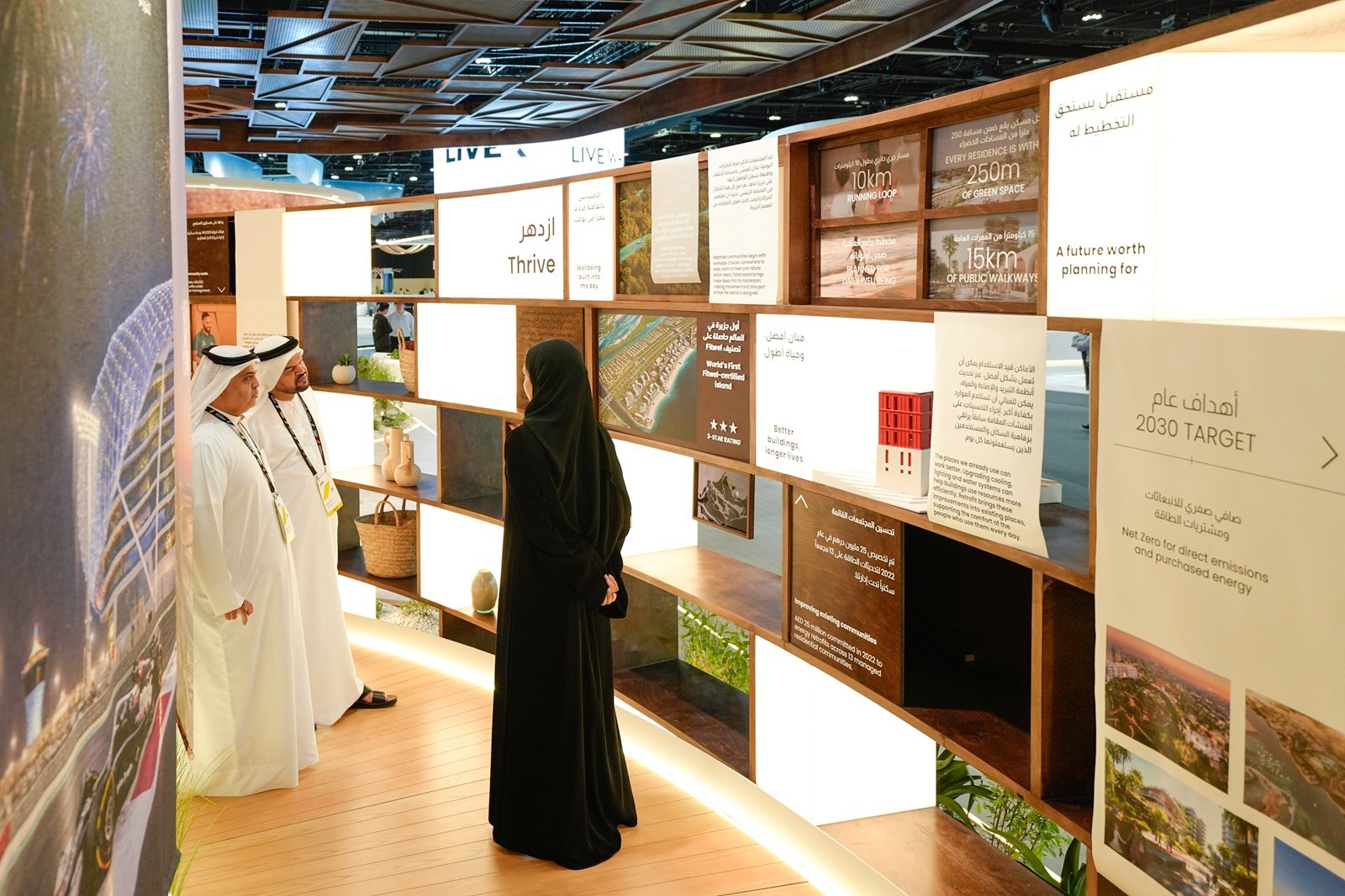
Digital twins, AI, BIM, advanced data analytics, intelligent mobility, smart infrastructure, and connected project environments are changing how cities can be understood and managed.
From Production Tool to Planning Process
Future planning environments can evaluate scenarios, visualize infrastructure demand, understand mobility patterns, test development options, and support better-informed decisions. Technology therefore becomes more than a production tool; it becomes part of the planning process itself.
Connecting Digital Tools with Urban Development
For ACE, this aligns with our wider digital transformation journey — connecting BIM, data, AI, automation, and engineering expertise to create a more intelligent approach to project and urban development.
The Role of the Consultant Is Changing
Perhaps the most important takeaway from LIVEX was not about a particular technology, project, or policy. It was about the changing role of the consultant.
From Technical Delivery to Integrated Problem-Solving
The next generation of clients will expect consultants to understand the wider development context. The questions are no longer only “How do we design it?” but also “How does it connect? How does it perform? How does it support investment? How does it improve liveability? How does it adapt over time?”
This requires architects, engineers, planners, project managers, and specialists to collaborate earlier and think more strategically. Consultancy is moving from technical delivery toward integrated problem-solving.
Abu Dhabi as a Living Urban Laboratory
For ACE, headquartered in Abu Dhabi and deeply connected to the UAE’s development journey, these conversations are particularly relevant. The capital continues to provide an exceptional environment in which infrastructure, master planning, investment, architecture, sustainability, technology, and quality of life are being developed simultaneously and at scale.
Turning Ambition into Places That Work
That creates opportunities — but also responsibility. As consultants, we have a role in translating ambitious visions into places that are technically robust, commercially viable, environmentally responsible, connected, adaptable, and, most importantly, designed around people.
From Attendance to Action
Events such as LIVEX are most valuable when the conversation continues after the exhibition closes. For ACE, the objective is to bring the insights back into the organization: to strengthen how we think about master planning; expand our understanding of infrastructure and investment; connect our digital transformation efforts with future city-making; explore new partnerships; and remain aligned with the priorities shaping Abu Dhabi and the wider region.
The next generation of engineering will not be defined by individual buildings alone. It will be defined by how successfully we connect buildings, infrastructure, people, investment, and place into cities that are genuinely worth living in. And that is a conversation ACE intends to remain part of.