
Smart Construction
The future of project delivery will not be defined by one discipline working faster. It will be defined by how effectively the entire project ecosystem works together.
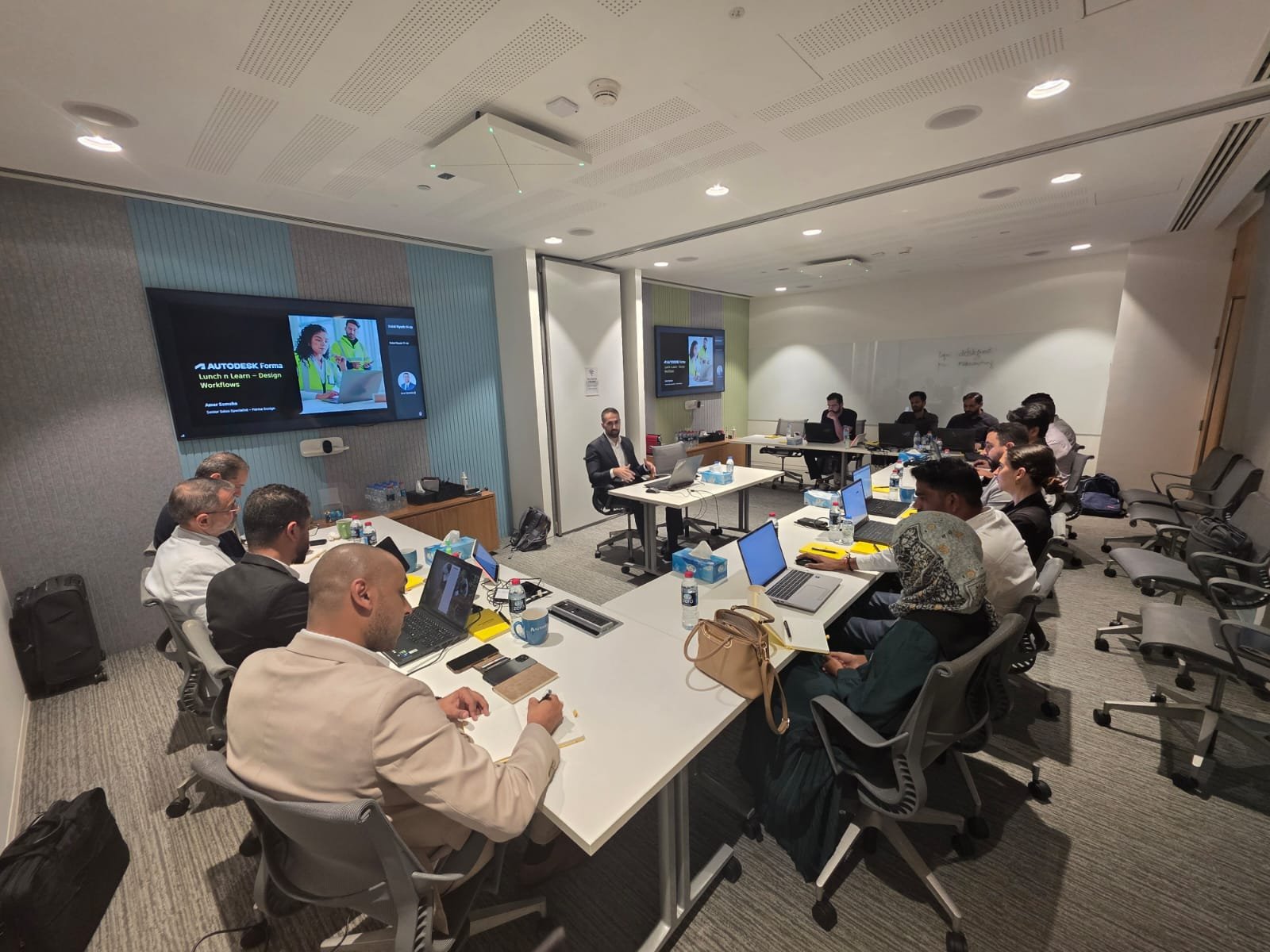
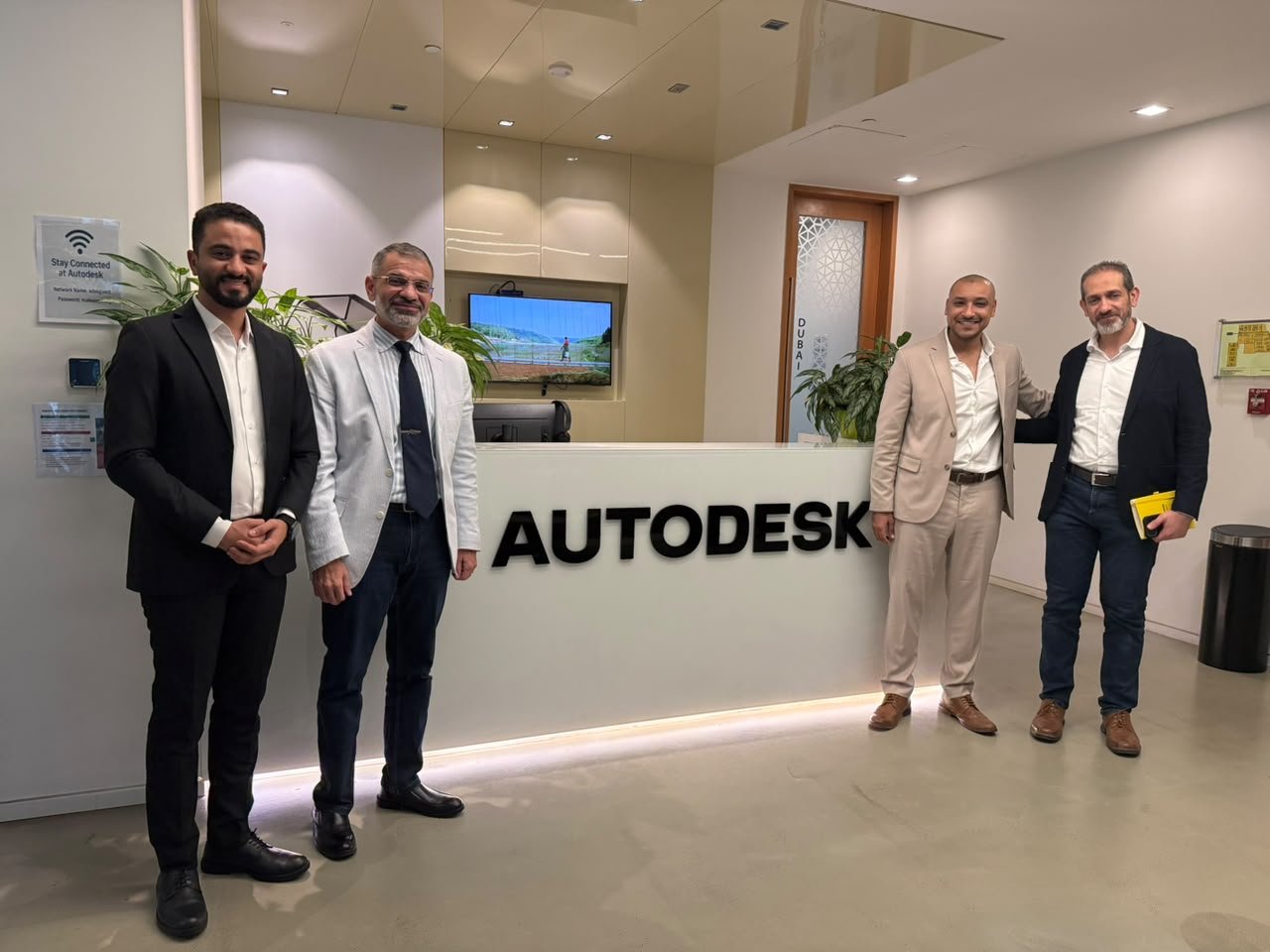
That was one of the strongest takeaways for Al Ain Consulting Engineers (ACE) during Autodesk’s recent Lunch ’n Learn Lab: Design Together, Deliver Better – Interactive 2D + 3D Collaboration, hosted at Autodesk’s Middle East office in Dubai.
The highly interactive session brought together leading organizations from across the development and construction ecosystem to explore how connected digital workflows can improve multidisciplinary coordination from design through delivery.
For ACE, the discussion had particular significance. Among major owners, developers, and delivery stakeholders in attendance, ACE brought the consultancy perspective into the conversation — sharing the realities, opportunities, and challenges consultants experience where client ambition, design information, multidisciplinary coordination, authority requirements, contractors, and project delivery meet.
Collaboration Is No Longer Just About Sharing Files
For years, digital collaboration was often understood as giving project participants access to the same documents. That definition is changing.
From Shared Documents to Connected Workflows
Modern project delivery increasingly requires a connected environment where teams can:
- Review 2D information and 3D models together.
- Understand design changes.
- Identify coordination issues earlier.
- Assign responsibility and track actions.
- Maintain visibility until issues are resolved.
Autodesk demonstrated this philosophy through connected design collaboration and model coordination workflows — showing how information can move more effectively between disciplines rather than remaining fragmented across separate teams and platforms.
The Organizational Impact
The difference may sound technical, but its impact is organizational. When project information is connected, coordination can move from being a periodic activity toward becoming a continuous project process.
The Consultant Sits at the Center of the Conversation
One of the most valuable aspects of the session was the diversity of perspectives around the table.
Connecting Owners, Contractors, and Technology
Owners and developers naturally look at visibility, programme, risk, cost, and project outcomes. Contractors focus on constructability, sequencing, information quality, and execution. Technology providers focus on the digital environment that connects those activities.
The consultant operates across all of them. A multidisciplinary consultant has to translate client requirements into design, coordinate specialist disciplines, manage technical decisions, respond to authorities, interact with contractors, and protect design intent — while continuously managing information across the project lifecycle.
Technology That Improves Decisions
That gives the consultant a unique perspective on digital transformation. The question is not simply, “What technology can we introduce?” It is: “How can technology improve the relationships and decisions between all the parties responsible for delivering a project?”
This formed an important part of ACE’s contribution to the discussion.
From Clash Detection to Decision Management
Clash detection remains an important component of BIM coordination. But the future is much broader than identifying two objects occupying the same space.
Managing an Issue Through Resolution
The real opportunity lies in creating an environment where an issue can be:
- Identified early.
- Placed in its proper project context.
- Assigned to the correct party.
- Reviewed collaboratively.
- Resolved and tracked through closure.
This transforms coordination from a technical BIM activity into a wider decision-management workflow. The value is not simply finding more issues. It is ensuring that the right issues reach the right people early enough to make a difference.
2D and 3D Must Become One Conversation
Another important aspect of the session was the connection between 2D and 3D information. Despite the rapid development of BIM, construction projects continue to rely heavily on drawings, schedules, specifications, models, markups, correspondence, and other forms of information.
Working from Connected Project Information
Successful digital transformation cannot assume that one format replaces all others overnight. Instead, the opportunity is to make those different information environments work together.
- A project manager reviewing a drawing.
- An architect working in a model.
- An MEP engineer resolving a coordination issue.
- A client reviewing design progress.
- A contractor preparing for execution.
All should increasingly be working from a connected source of project information. This is where a common data environment becomes more than document storage: it becomes part of the project’s operating system.
Connected Delivery Requires More Than Technology
Digital transformation cannot be solved by software alone. The technology may provide the platform, but organizations still need:
- Clear information-management standards.
- Defined responsibilities and consistent workflows.
- Appropriate levels of access.
- BIM maturity and management commitment.
- Training and a culture of collaboration.
Designing Technology Around People
Without these elements, even sophisticated technology risks recreating traditional silos in a digital environment. For ACE, this reinforces an important principle within our broader transformation journey: technology must be designed around the way people need to work — not the other way around.
A Wider Conversation Between ACE and Autodesk
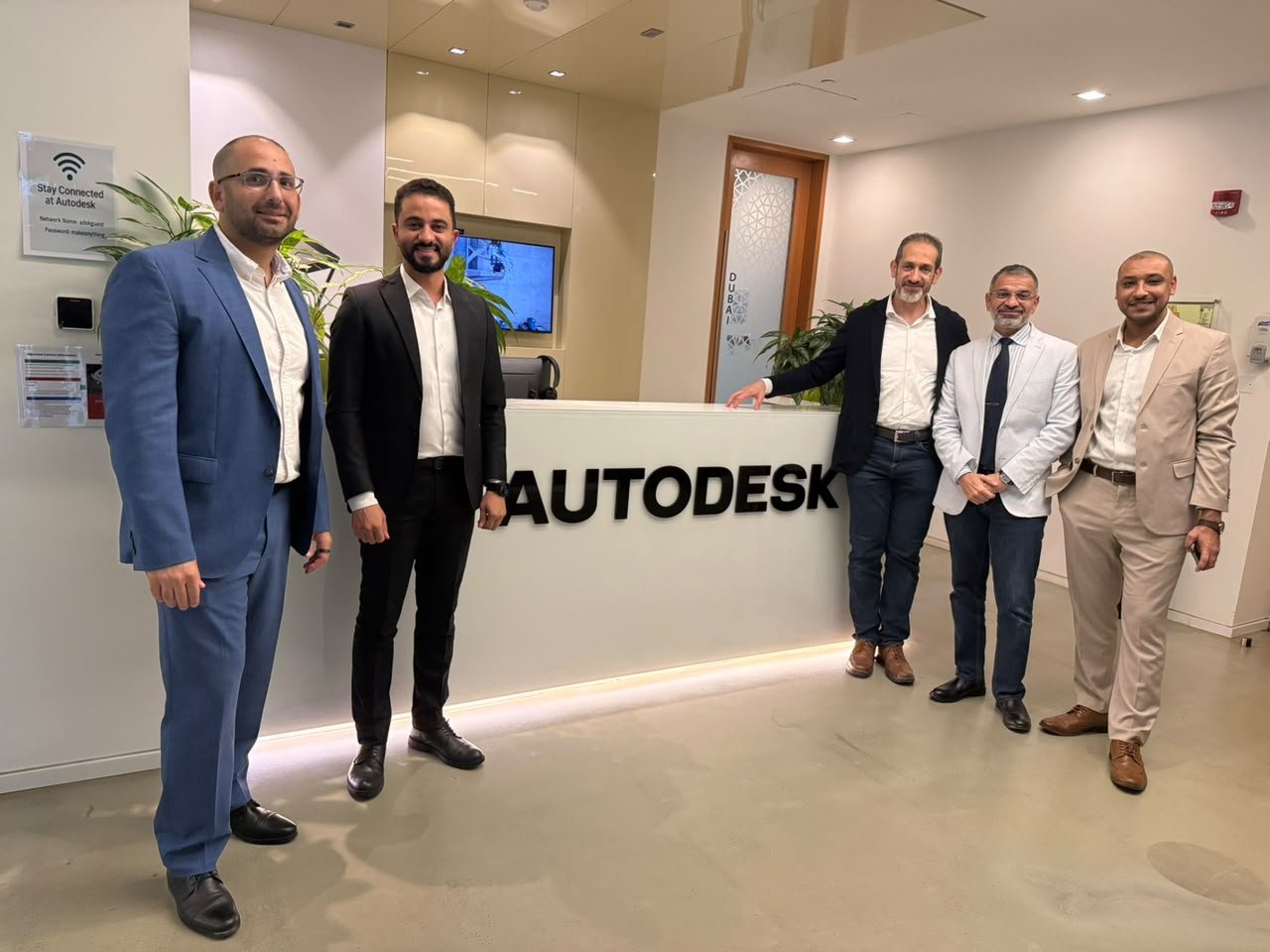
The Lunch ’n Learn Lab was particularly valuable because it forms part of a broader dialogue developing between ACE and Autodesk.
Exploring Practical Opportunities
Our discussions are increasingly extending beyond individual software applications toward wider questions around:
- BIM and connected project delivery.
- Digital design and multidisciplinary coordination.
- AI and automation.
- Digital supervision and project management.
- Data and information management.
- Capability development and the future digital operating environment of an engineering consultancy.
ACE and Autodesk teams are continuing to explore these areas through focused discussions and technical sessions, with the objective of identifying practical opportunities that can translate technology into real project and business value. It is an evolving conversation — and one we believe has significant potential.
From Software Adoption to Digital Strategy
For engineering consultancies, the next stage of digital maturity will not be measured by how many applications are installed. It will be measured by how effectively technology connects the business.
Connecting the Delivery Ecosystem
Design, BIM, project management, supervision, commercial information, project data, clients, contractors, authorities, and ultimately decisions all need to work together.
That transition — from individual digital tools toward an integrated delivery ecosystem — is becoming an increasingly important part of ACE’s development strategy.
Conversations with technology leaders such as Autodesk provide an opportunity not simply to understand what technology can do today, but to help shape how it should respond to the realities of tomorrow’s engineering projects.
Bringing the Consultancy Voice to the Table
One of the most valuable outcomes from the Autodesk session was the opportunity to exchange perspectives directly with leading organizations across the wider development ecosystem.
Transformation Through Industry Collaboration
The industry cannot transform in isolation. Owners cannot digitize without consultants and contractors. Consultants cannot optimize workflows without understanding client and construction requirements. Contractors need reliable, coordinated information. Technology providers need to understand how projects actually work.
Bringing those perspectives together is where meaningful transformation begins. ACE was pleased to contribute the consultant’s voice to that conversation.
As our dialogue with Autodesk continues, we look forward to exploring how connected technologies, intelligent workflows, and stronger industry collaboration can help shape a more integrated future for project delivery.
Because the future is not simply about designing digitally. It is about designing together, deciding earlier, and delivering as one connected team.