


Data-Driven Project Delivery: How ACE Is Advancing Digital Transformation in Construction
Key Insights from The Big 5 Dubai – Project Management Talks
Framing the Challenge: Khaled Rezk’s Perspective

During his session, Eng. Khaled Rezk , Digital Transformation Specialist at ACE | Al Ain Consulting Engineers, provided a structured and experience-driven view of why many digital initiatives fail to deliver their promised value.
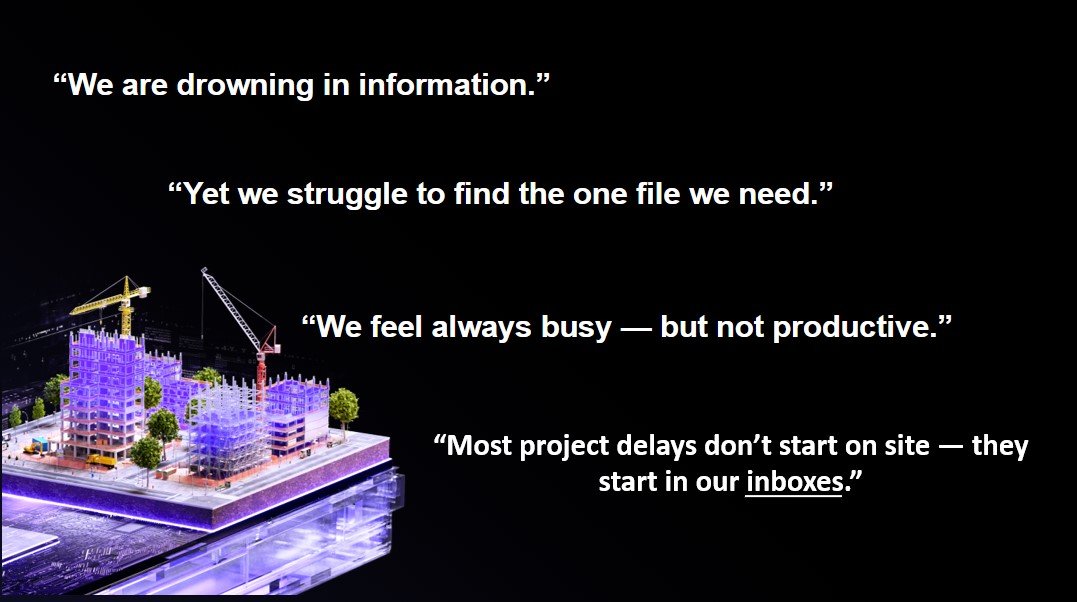
Rather than focusing on software capabilities, the discussion emphasized systemic issues that persist across the industry:
- Fragmented data sources across disciplines
- Multiple, conflicting versions of drawings and models
- Heavy reliance on email for coordination and approvals
- Lack of clearly defined data ownership
- Delayed visibility into project risks and changes
ACE’s Role: From Digital Concepts to Delivery Reality
- Structured workflows
- Clear data governance
- Incremental implementation
- Strong alignment between site and office teams
What ACE Presented: A Practical Digital Project Delivery Framework
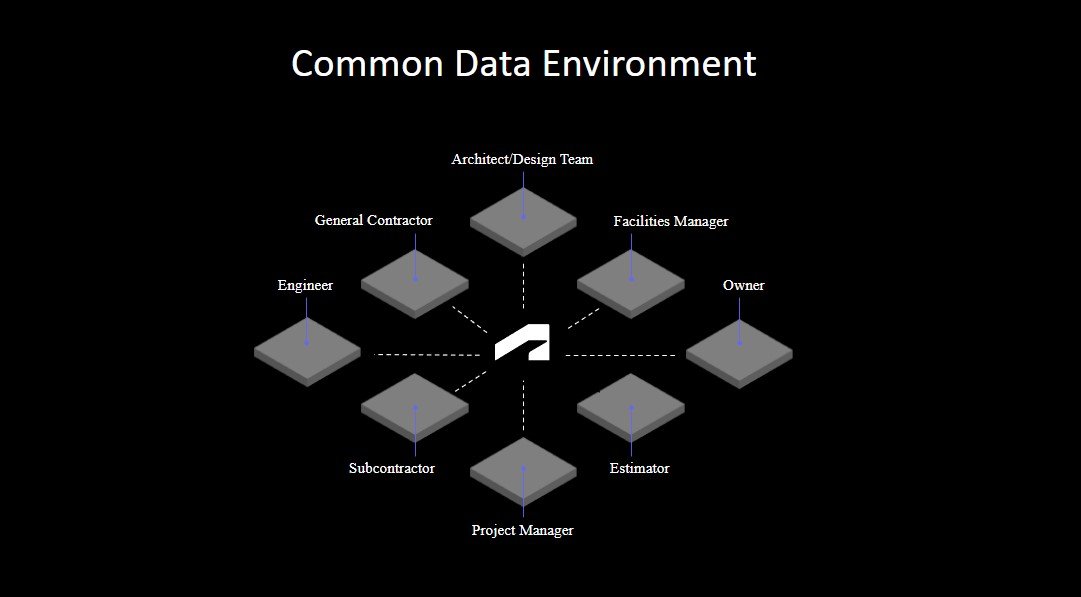
ACE highlighted the importance of centralizing project information into a single source of truth:
- Linked drawings, models, documents, and site issues
- Controlled versioning and traceability
- Standardized data structures across engineering disciplines
- Reduced dependency on uncontrolled file sharing
This ensures teams trust the information they are using.
2. Connected Teams
ACE emphasized that technology alone does not solve collaboration challenges.
By connecting site teams, design offices, and project management in real time:
- Communication becomes transparent and traceable
- Responsibilities are clearly defined
- Decisions are based on shared, current data
- Coordination gaps between site and office are reduced
This alignment significantly improves response time and accountability.
ACE demonstrated how:
- Site issues are captured digitally with photos, descriptions, and location data
- Impacts on design, cost, and schedule are assessed centrally
- Technical teams update drawings and models within controlled workflows
- Approvals are documented and communicated systematically
- Updated information reaches execution teams without delay
From Theory to Practice: A Realistic Workflow Scenario
To ground the discussion in reality, the session walked through a full project scenario:
- An issue is identified on site and captured digitally
- Office teams review its impact on design, cost, and schedule
- Technical teams implement required updates
- Project management approves and communicates decisions
- Site teams execute using verified, up-to-date information
- Project data feeds dashboards and KPIs for performance monitoring
This approach eliminates outdated drawings, conflicting instructions, and delayed responses.
Business Impact Highlighted During the Session
- Reduced errors and rework
- Faster resolution of site issues
- Improved design quality and coordination
- Greater predictability in cost and schedule
- Increased stakeholder confidence
- Enhanced ability to scale operations efficiently
Lessons from Successful Implementations
- Start with a single project or workflow and scale gradually
- Define data ownership and responsibilities early
- Keep workflows simple to encourage adoption
- Treat training as an ongoing process, not a one-time activity