
logotype
logotype
  • Home
  • About Us
    • ACE
    • Our Leadership
  • Expertise
  • Projects
  • Careers
  • Insights
  • Suppliers
Get in Touch
logotype
  • Home
  • About Us
    • ACE
    • Our Leadership
  • Expertise
  • Projects
  • Careers
  • Insights
  • Suppliers
Get in Touch
  • Home
  • About Us
  • Expertise
  • Projects
  • Our Leadership
  • Insights
  • Contact us
  • — Careers
  • — Suppliers
Smart Construction
HomeArchive by Category "Smart Construction"

Category: Smart Construction

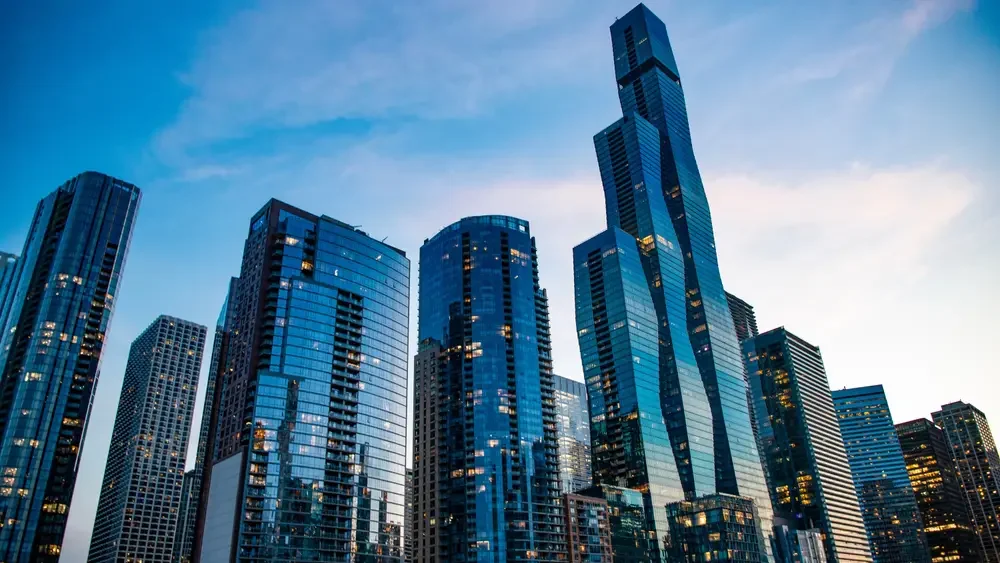
strong skyscrappers.
Smart Construction
December 17, 2025By eid

Why Structural Engineering Is the Foundation of Strong Skyscrapers

Imagine standing at the base of the Burj Khalifa in Dubai, gazing up as it pierces the clouds.Its sheer scale inspires awe, but behind its beauty lies something invisible yet indispensable—structural engineering. Without it, such skyscrapers would never reach the sky, let alone withstand the desert winds, seismic forces, or the weight of thousands of tons of concrete and steel.

For the UAE, where skylines are a symbol of progress and ambition, structural engineering  is more than a technical discipline—it is the foundation of every landmark tower, luxury villa, and futuristic development. Behind every record-breaking height or innovative façade is a team of structural engineers ensuring safety, stability, and sustainability

In this article, we explore why structural engineering is the backbone of skyscrapers, how it
shapes modern urban landscapes, and why it is crucial for ambitious projects in the UAE.

What Is Structural Engineering?


Defining the Discipline
Structural engineering is a specialized branch of civil engineering that focuses on the design, analysis, and integrity of structures. It ensures that buildings and infrastructure can withstand forces such as gravity, wind, earthquakes, and human use while maintaining functionality and safety.

Key Responsibilities of Structural Engineers
• Designing load-bearing frameworks for skyscrapers and large-scale buildings.
• Ensuring buildings comply with safety codes and international standards.
• Selecting materials that balance strength, durability, and sustainability.
• Anticipating risks such as seismic activity, high winds, or extreme temperatures.

In essence, structural engineering transforms architectural dreams into physical realities.

The Role of Structural Engineering in Skyscraper Design

1. Stability and Safety
At extreme heights, skyscrapers must resist enormous forces.Structural engineers design deep foundations, reinforced cores, and bracing systems that allow towers to stand tall while staying stable.

2. Load Distribution
Skyscrapers must support not only their own massive weight but also people, furniture, equipment, and wind pressure. Structural engineers ensure that these loads are safely distributed through columns, beams, and foundations.

2. Load Distribution
Skyscrapers must support not only their own massive weight but also people, furniture, equipment, and wind pressure. Structural engineers ensure that these loads are safely distributed through columns, beams, and foundations.

3. Flexibility Under Stress
Contrary to intuition,skyscrapers are designed to sway slightly in strong winds. This flexibility prevents structural damage, reduces stress on materials, and ensures occupant safety.

4. Integration with Architecture
Structural engineers work hand in hand with architects to make bold designs feasible. From twisting towers to curved façades,

Lessons from the UAE’s Iconic Towers

Burj Khalifa – The Pinnacle of Structural Ingenuity
At 828 meters, the Burj Khalifa remains the world’s tallest building. Its Y-shaped base, reinforced concrete core, and tiered structure exemplify how structural engineering pushes boundaries.
Cayan Tower – The Twisting Marvel
The 90-degree twist of Cayan Tower in Dubai Marina showcases how structural engineers blend aesthetics with physics. The tower’s central core ensures stability despite its unconventional shape.

Abu Dhabi’s Capital Gate – The Leaning Tower of the UAE
This skyscraper leans 18 degrees westward, more than four times the tilt of Pisa. Such daring architecture is possible only because of advanced structural engineering techniques like a deep foundation and pre-cambered core.

Key Innovations in Structural Engineering for Skyscrapers

1. High-Strength Materials
Modern skyscrapers use ultra-high-performance concrete and advanced steel alloys that support greater loads with slimmer profiles.
2. Tuned Mass Dampers
These massive counterweights are installed near the tops of skyscrapers to counteract sway from wind or seismic activity.
3. Composite Systems
By combining steel and concrete, engineers create structures that maximize strength while reducing overall material costs.
4. Digital Design Tools
Building Information Modeling (BIM) allows engineers to simulate and optimize designs,
identifying risks before construction begins.

Structural Engineering and Sustainability

In the UAE, where sustainability is central to Vision 2030, structural engineering plays a vital role in green construction:

  • • Efficient use of materials reduces waste and carbon footprint.
    • Designing for energy efficiency ensures skyscrapers minimize operational costs.
    • Renewable integration such as solar panels and wind turbines is supported by structural planning.
    • Lifecycle analysis ensures buildings are durable and easier to maintain.

    A well-engineered skyscraper is not just strong—it is also sustainable for decades to come.

The Challenges of Structural Engineering in the UAE

Climate Considerations
• High temperatures cause expansion in concrete and steel.
• Sandstorms require facades and structures to withstand abrasive winds.

Seismic and Wind Forces
While the UAE is not highly seismic, engineers must still account for potential tremors and significant wind forces due to building heights.

Ambitious Architectural Designs
With architects pushing boundaries, structural engineers must constantly innovate to deliver safe, practical, and visually stunning results.

Why Structural Engineering Is Essential for Large-Scale Projects

For investors, developers, and government agencies, structural engineering is the cornerstone of project success. It ensures:

• Safety: Protecting lives and assets.
• Durability: Extending building lifespan.
• Cost-efficiency: Avoiding structural failures that lead to massive financial losses.
• Prestige: Enabling record-breaking and iconic designs.

Without structural engineering, skyscrapers would remain sketches on paper rather than monuments of modern civilization.

The Role of Expertise and Consultancy

Delivering skyscrapers of global significance requires more than individual talent—it demands integrated expertise. Firms like ACE Consulting Engineers provide comprehensive services, from concept to completion. Their experience in structural engineering, architectural design, and project management ensures that every skyscraper not only meets but exceeds international standards.

For a closer look at their portfolio and ongoing projects, visit their Instagram profile.

As the UAE continues to redefine skylines, structural engineering will evolve with:

• AI-driven design for predictive modeling.
• Smart materials that adapt to environmental changes.
• Modular construction for faster and safer skyscraper development.
• Net-zero towers that align with global sustainability targets.

The future belongs to those who can merge engineering excellence with visionary design.

Conclusion: Building Tomorrow’s Legacy Today

Skyscrapers are more than tall buildings—they are symbols of ambition, innovation, and national pride. Yet none of this is possible without structural engineering, the invisible backbone that ensures strength, safety, and longevity.

For UAE clients seeking to create landmarks that define the future, partnering with expert consultants is essential. With ACE Consulting Engineers, you gain a trusted partner capable of transforming visionary designs into structural realities.

Your skyscraper should not only rise above the city—it should stand as a legacy of engineering excellence. Discover how ACE can bring your vision to life by visiting their Instagram page.

Read More
Designing Greener Cities with Urban Planning for Sustainable Communities
Smart Construction
December 17, 2025By eid

Designing Greener Cities with Urban Planning for Sustainable Communities

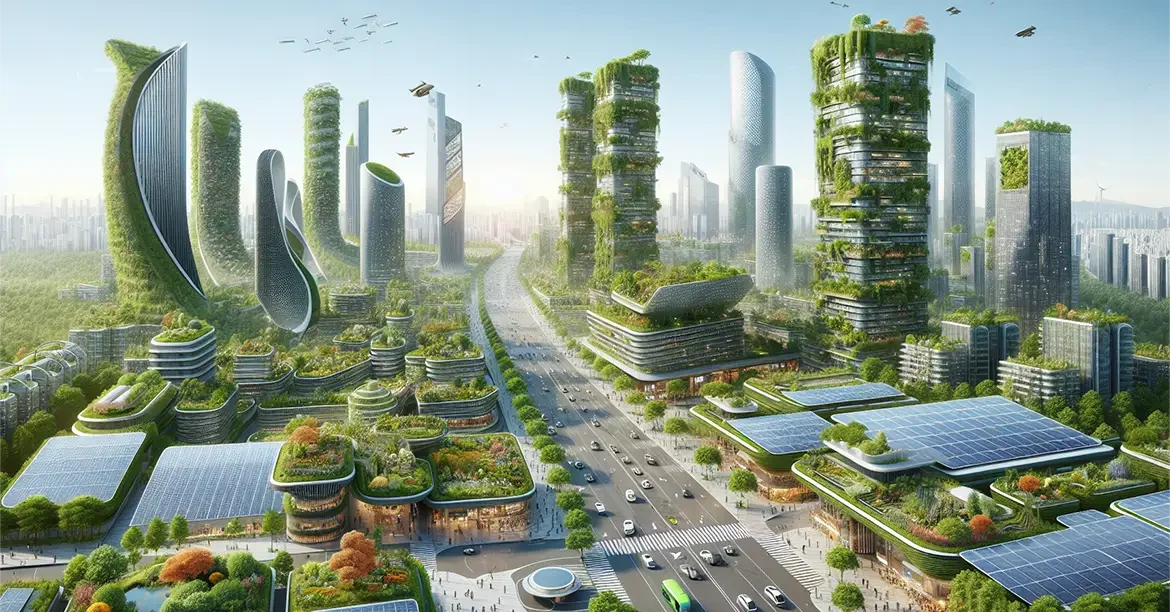
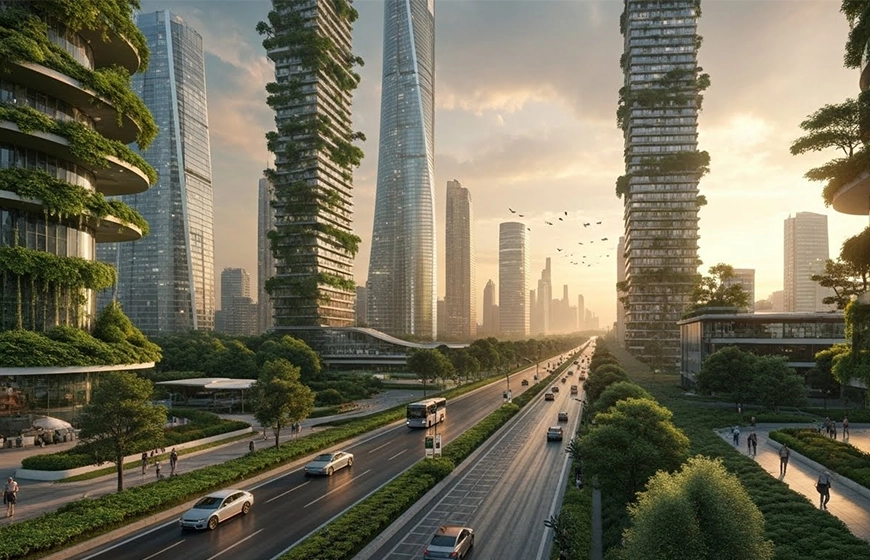
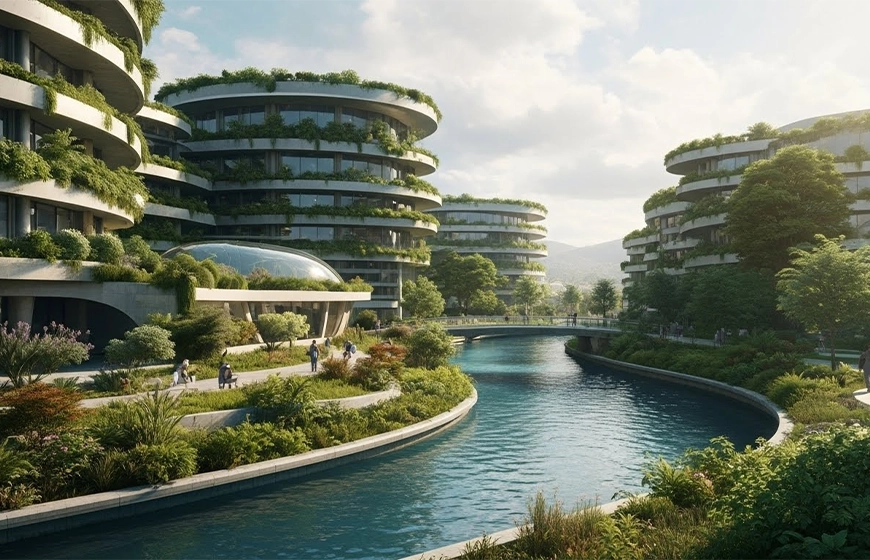
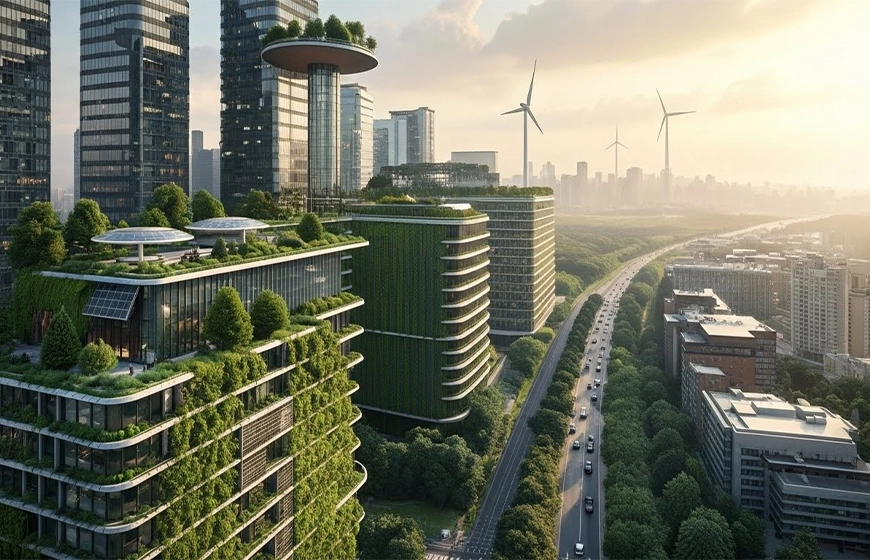
As cities around the world expand at unprecedented rates, the need for sustainability has never been more pressing. From environmental challenges to rapid urbanization, governments and developers are being asked one critical question: how can we design cities that are both livable today and resilient for tomorrow?

The answer lies in urban planning for smart cities. This forward-thinking approach goes beyond traditional planning by combining technology, sustainability, and human-centered design. In the UAE—where urban development projects aim to position the nation as a global leader in innovation—integrating
urban planning for smart cities ensures that communities are not only modern but also environmentally responsible.

This article will explore how smart urban planning shapes greener cities, the key principles driving sustainable communities, and why large-scale projects in the UAE are uniquely positioned to lead this global transformation.

Why Urban Planning for Smart Cities Matters

Urban planning for smart cities is more than infrastructure; it is about creating ecosystems where people, technology, and nature coexist harmoniously.

• Addressing Climate Change: Cities contribute to more than 70% of global carbon emissions. Smart planning reduces environmental footprints.

• Enhancing Livability: Green spaces, walkable streets, and efficient transport make cities healthier.

• Future-Proofing Investments: Sustainable communities are more resilient to economic, social, and environmental challenges.

• Attracting Global Talent: Modern, green, and smart cities appeal to investors, businesses, and highly skilled professionals.

Key Principles of Urban Planning for Smart Cities

1. Sustainable Land Use
• Designing mixed-use developments that reduce commuting needs.
• Preserving natural habitats while accommodating urban growth.

2. Smart Mobility
• Integrating public transport systems with cycling and pedestrian networks.
• Encouraging electric vehicles and charging infrastructure.

3. Green Infrastructure
• Expanding parks, vertical gardens, and green roofs.
• Reducing the urban heat island effect through sustainable landscaping.

4. Renewable Energy Integration
• Incorporating solar panels into residential and commercial projects.
• Encouraging district cooling systems and smart energy grids.

5. Water Management
• Reusing greywater for irrigation
• Building smart monitoring systems for water efficiency.

The UAE as a Global Model for Sustainable Communities

The UAE has become a hub for urban planning for smart cities, setting ambitious goals that combine futuristic design with sustainability.

Visionary Leadership
National strategies such as UAE Vision 2030 and Dubai’s Smart City Initiative highlight sustainability as a key priority.

Large-Scale Projects
• Masdar City, Abu Dhabi: A global pioneer in zero-carbon design.
• Dubai Expo 2020 Legacy: A transformation of event infrastructure into long-term sustainable districts.

Integration of Technology
IoT (Internet of Things), AI, and big data are transforming how cities manage energy, waste, and traffic in real time.

How Urban Planning for Smart Cities Creates Greener Communities

Reducing Energy Consumption
• Smart meters and energy-efficient building codes ensure reduced carbon footprints.

Improving Air Quality
• Expanding public transit systems reduces reliance on private cars.

Promoting Health and Wellbeing
• Walkable neighborhoods encourage physical activity.
• Urban greenery lowers stress levels and fosters community connections.

Supporting Economic Growth
• Green communities attract sustainable investments.
• Innovative infrastructure fosters entrepreneurship and knowledge economies.

Challenges in Implementing Smart Urban Planning

1. Balancing Growth and Conservation
Expanding cities must carefully manage land use to avoid harming natural resources.

2. High Initial Costs
Smart technologies and green infrastructure demand upfront investment, though they reduce costs long-term.

3. Policy and Regulation
Ensuring alignment between government policies, developers, and stakeholders is essential.

4. Community Engagement
Sustainable cities succeed only when residents embrace new ways of living, such as public transport and energy-efficient habits.

The Role of International Collaboration

Urban planning for smart cities is not confined to local expertise. UAE projects benefit greatly from partnerships with international firms that bring lessons from across the globe.

• Knowledge Transfer: Sharing best practices in sustainability and technology.
• Cross-Border Innovation: Collaborations lead to unique solutions for desert climates.
• Benchmarking Against the Best: Projects in the UAE stand alongside global leaders like Singapore and Copenhagen.

Future Trends in Urban Planning for Smart Cities

AI and Data-Driven Design
Predictive analytics will optimize energy use, traffic flow, and waste management.

Vertical Cities
High-rise mixed-use towers will integrate residential, commercial, and recreational functions within compact footprints.

Climate-Resilient Infrastructure
Designs will account for rising temperatures, extreme weather, and resource scarcity.

Circular Economies
Waste will be reimagined as a resource, with recycling and energy recovery built into urban systems.

ACE Consulting Engineers: Delivering Future-Ready Communities

ACE Consulting Engineers provide large-scale expertise that merges international standards with local insights. Their commitment to smart, green, and resilient design ensures that projects meet both today’s needs and tomorrow’s challenges.

Stay updated with their innovative projects on Instagram: ACE Consulting Engineers Instagram.

Conclusion

Designing greener cities is not just an architectural challenge—it is a responsibility toward future generations. Through urban planning for smart cities, the UAE is redefining how communities can thrive sustainably, blending technology with human-centered design.

By prioritizing sustainability, embracing innovation, and fostering international collaboration, UAE clients and developers can shape communities that stand as global benchmarks.

If your vision is to contribute to a smarter, greener future, now is the time to partner with experts who can make it a reality. Begin your journey with ACE Consulting Engineers and see how visionary design transforms into sustainable legacy.

Read More
One of the greatest strengths of AI in Architecture and Engineering lies in its ability to accelerate the design process. Traditionally, architects and engineers relied on manual drawings, lengthy simulations, and trial-and-error approaches
Smart Construction
November 23, 2025By donia

How AI is Revolutionizing Architecture and Engineering Processes

In the heart of the UAE, where futuristic skylines rise from the desert and world-class infrastructure transforms entire landscapes, innovation is more than just a buzzword—it is a necessity. From record-breaking towers to sustainable smart cities, the region has long been at the forefront of architectural and engineering marvels. But now, another force is reshaping the way these iconic projects come to life: Artificial Intelligence (AI). The use of AI in Architecture and Engineering is no longer confined to experimental labs or niche projects. It is already redefining how buildings are designed, constructed, and maintained—making them smarter, safer, and more sustainable. For UAE clients who require large-scale design and construction expertise, this technological revolution represents a major opportunity to reduce costs, optimize workflows, and deliver projects that meet the highest international standards. In this article, we will explore how
AI in Architecture and Engineering is transforming the industry—from design automation and predictive modeling to sustainable planning and intelligent construction.

AI in Architecture and Engineering: A Game Changer


From Vision to Reality Faster

One of the greatest strengths of AI in Architecture and Engineering lies in its ability to accelerate the design process. Traditionally, architects and engineers relied on manual drawings, lengthy simulations, and trial-and-error approaches. Today,AI algorithms can analyze thousands of design variations in seconds, offering solutions that optimize both form and function.

  • Generative design tools powered by AI suggest innovative building layouts based on
    client requirements, environmental factors, and safety codes
  • 3D modeling automation reduces the time needed for conceptualization and
    visualization, enabling decision-makers to review realistic project simulations early in
    the process.
  • Real-time collaboration platforms ensure that architects, structural engineers, and
    MEP teams are aligned, reducing costly redesigns and miscommunication.
 

For UAE developers, this means projects that move from concept to approval significantly faster, saving both time and resources.


Optimizing Sustainability and Energy Efficiency

The UAE has committed to ambitious sustainability goals, making green design a top priority.
AI in Architecture and Engineering plays a vital role in helping achieve these objectives.

  • Energy simulations powered by AI predict building performance under various climate conditions, ensuring efficient cooling and reduced energy waste
  • Smart material selection allows engineers to choose construction materials with lower carbon footprints while maintaining durability.
  • AI-driven urban planning ensures optimized layouts that balance green spaces,
    transportation, and infrastructure to enhance livability and sustainability

In practice, this means a skyscraper in Dubai or Abu Dhabi can be designed to minimize energy consumption, reduce operational costs, and align with international green building standards
helping both investors and the environment.

Enhancing Safety and Risk Management

Safety is non-negotiable in construction. Large-scale projects involve thousands of workers, heavy machinery, and complex site conditions. AI in Architecture and Engineering introduces new levels of precision and safety management.

 
  • Predictive analytics can foresee potential structural weaknesses before construction even begins.
  • AI-powered monitoring systems detect hazards in real-time, from unsafe scaffolding to overheating equipment.
  • Drone and computer vision technologies combined with AI provide constant surveillance of construction sites, reducing human error and ensuring compliance with safety regulations.
For UAE clients, this translates to safer worksites, reduced liability, and greater confidence in delivering projects on time and within budget.

Smart Cities and Intelligent Infrastructure


The UAE’s vision for smart cities—integrating technology with urban design—is closely tied
to the rise of AI in Architecture and Engineering.

  • Smart traffic and transport systems are designed with AI to reduce congestion and pollution.
  • IoT-enabled infrastructure ensures that bridges, roads, and buildings communicate with one another, improving maintenance efficiency.
  • Data-driven city planning powered by AI anticipates future population growth, ensuring infrastructure evolves sustainably.

This transformation is already visible in Dubai’s ambition to become one of the world’s smartest cities, where AI seamlessly integrates into daily life. For developers, adopting these technologies is not just an option but
a competitive necessity.

Cost Savings Through AI-Driven Efficiency


For large-scale projects, cost overruns can be a serious challenge. By integrating AI in Architecture and Engineering, companies can control expenses more effectively.

  • AI-based project scheduling ensures that timelines are realistic and resources are allocated efficiently.
  • Predictive maintenance of equipment and smart supply chain management reduce unexpected costs.
  • Automated cost estimation tools use historical data to provide accurate forecasts, minimizing financial risks

This transformation is already visible in Dubai’s ambition to become one of the world’s smartest cities, where AI seamlessly integrates into daily life. For developers, adopting these technologies is not just an option but a competitive necessity.

AI and the Human Touch: A Collaborative Future

While some fear that AI might replace human creativity, the truth is quite the opposite. AI in Architecture and Engineering enhances the human role rather than replacing it.

  • Architects can focus on aesthetics and cultural relevance while AI handles technical optimization.
  • Engineers can dedicate more time to problem-solving and innovation instead of repetitive calculations.
  • Clients benefit from transparent data insights, making collaboration and decisionmaking smoother.

This human–AI partnership ensures that projects not only meet technical excellence but also
reflect the UAE’s cultural identity and visionary spirit.

Case Study: The UAE Context


Consider a large-scale mixed-use development in Abu Dhabi. By leveraging AI in Architecture and Engineering, the design team could:

  • Run AI-driven energy simulations to ensure compliance with Estidama sustainability standards.
  • Clients benefit from transparent data insights, making collaboration and decisionmaking smoother.
  • Apply predictive scheduling algorithms to manage construction timelines
    efficiently
  • Incorporate AI-powered safety monitoring to minimize risks during construction.

The result? A landmark project that combines innovation, sustainability, and cost efficiency while aligning with the UAE’s vision for the future.

Conclusion: Building the Future with AI

The rise of AI in Architecture and Engineering is more than a technological trend—it is a fundamental shift in how we imagine, design, and build the world around us. For UAE clients investing in large-scale projects, embracing AI means faster delivery, lower costs, safer worksites, and greener outcomes.

At ACE Consulting Engineers, we are committed to blending human creativity with cutting-edge AI technologies to deliver projects that stand as benchmarks of innovation and sustainability. Whether it’s designing futuristic smart cities or optimizing iconic landmarks, we ensure every project reflects the UAE’s bold vision.

Learn more about how ACE can support your next project: ACE Consulting Engineers
Follow us for insights and updates: ACE Consulting Engineers on Instagram
The future of construction is already here—let’s build it together.

Read More

Consult
with

Linkedin-inFacebook-fInstagramX-twitterYoutube

Contact us

Email: info@ace-uae.net

Phone: +971 2 627 3988

UAE

  • Al Ain: 1st Floor Saeed Al Kuwaiti Bldg, Khalifa St
  • Abu Dhabi: Al Khazna Tower, 9th St, next to Nissan Motors, Al Danah, Zone 1
  • Ras Al Khaimah: Office No.07, Hosum Street

UK

  • 24 Silverdale, Reading, UK

Copyright © 2025 ACE. All Rights Reserved