
Smart Construction
As cities around the world expand at unprecedented rates, the need for sustainability has never been more pressing. From environmental challenges to rapid urbanization, governments and developers are being asked one critical question: how can we design cities that are both livable today and resilient for tomorrow?
The answer lies in urban planning for smart cities. This forward-thinking approach goes beyond traditional planning by combining technology, sustainability, and human-centered design. In the UAE—where urban development projects aim to position the nation as a global leader in innovation—integrating
urban planning for smart cities ensures that communities are not only modern but also environmentally responsible.
This article will explore how smart urban planning shapes greener cities, the key principles driving sustainable communities, and why large-scale projects in the UAE are uniquely positioned to lead this global transformation.
Why Urban Planning for Smart Cities Matters
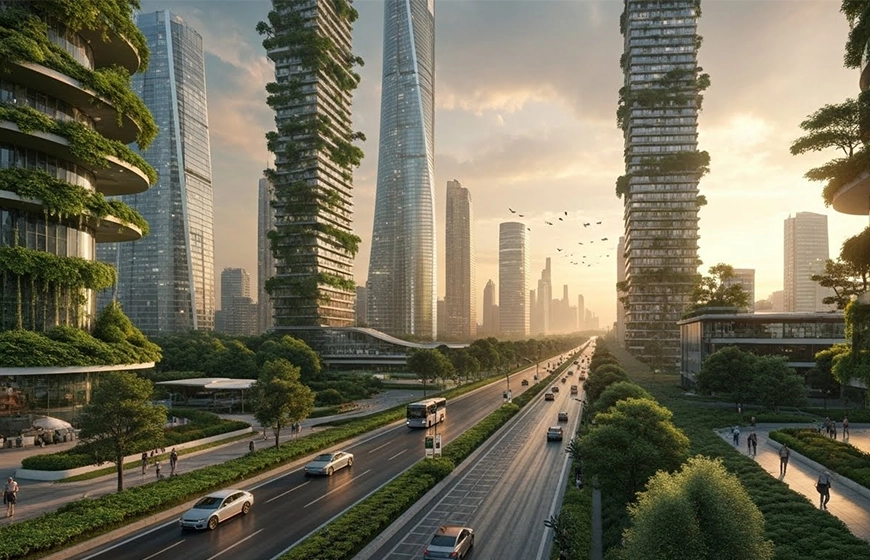
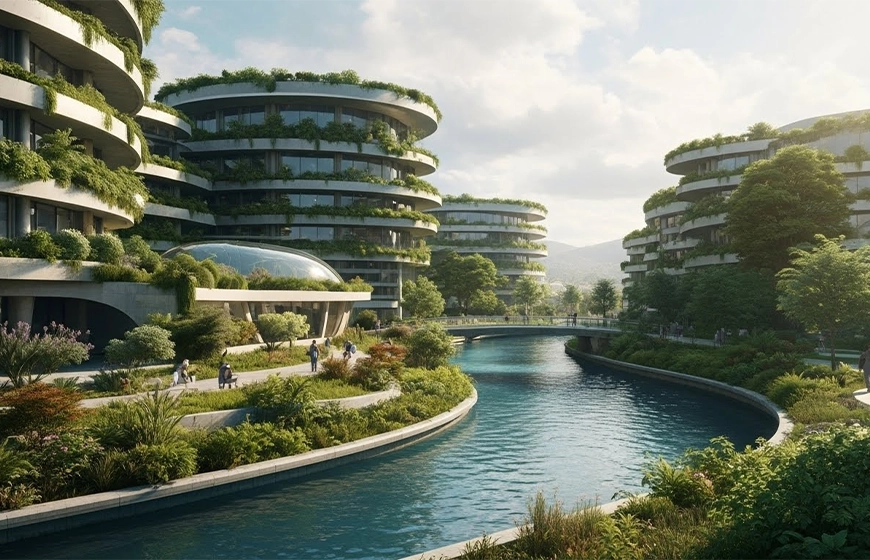
Urban planning for smart cities is more than infrastructure; it is about creating ecosystems where people, technology, and nature coexist harmoniously.
• Addressing Climate Change: Cities contribute to more than 70% of global carbon emissions. Smart planning reduces environmental footprints.
• Enhancing Livability: Green spaces, walkable streets, and efficient transport make cities healthier.
• Future-Proofing Investments: Sustainable communities are more resilient to economic, social, and environmental challenges.
• Attracting Global Talent: Modern, green, and smart cities appeal to investors, businesses, and highly skilled professionals.
Key Principles of Urban Planning for Smart Cities
1. Sustainable Land Use
• Designing mixed-use developments that reduce commuting needs.
• Preserving natural habitats while accommodating urban growth.
2. Smart Mobility
• Integrating public transport systems with cycling and pedestrian networks.
• Encouraging electric vehicles and charging infrastructure.
3. Green Infrastructure
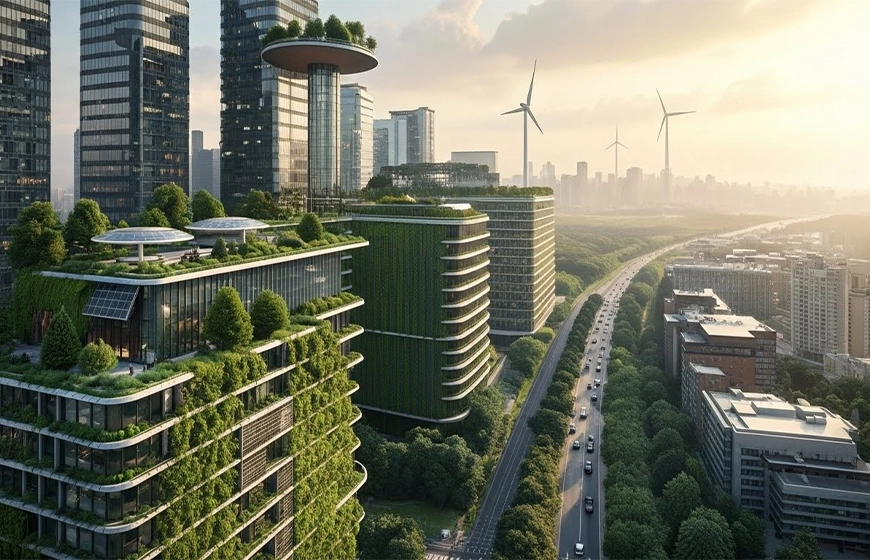
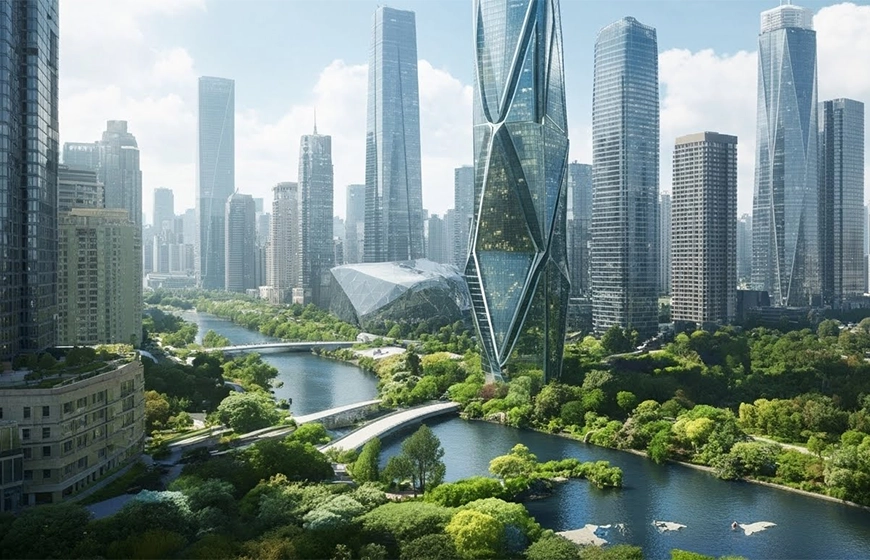
• Expanding parks, vertical gardens, and green roofs.
• Reducing the urban heat island effect through sustainable landscaping.
4. Renewable Energy Integration
• Incorporating solar panels into residential and commercial projects.
• Encouraging district cooling systems and smart energy grids.
5. Water Management
• Reusing greywater for irrigation
• Building smart monitoring systems for water efficiency.
The UAE as a Global Model for Sustainable Communities
The UAE has become a hub for urban planning for smart cities, setting ambitious goals that combine futuristic design with sustainability.
Visionary Leadership
National strategies such as UAE Vision 2030 and Dubai’s Smart City Initiative highlight sustainability as a key priority.
Large-Scale Projects
• Masdar City, Abu Dhabi: A global pioneer in zero-carbon design.
• Dubai Expo 2020 Legacy: A transformation of event infrastructure into long-term sustainable districts.
Integration of Technology
IoT (Internet of Things), AI, and big data are transforming how cities manage energy, waste, and traffic in real time.
How Urban Planning for Smart Cities Creates Greener Communities
Reducing Energy Consumption
• Smart meters and energy-efficient building codes ensure reduced carbon footprints.
Improving Air Quality
• Expanding public transit systems reduces reliance on private cars.
Promoting Health and Wellbeing
• Walkable neighborhoods encourage physical activity.
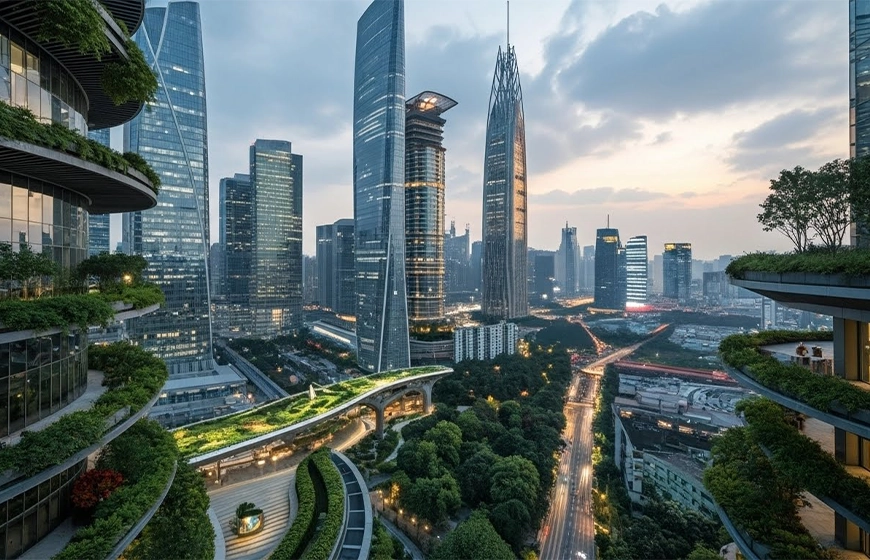
• Urban greenery lowers stress levels and fosters community connections.
Supporting Economic Growth
• Green communities attract sustainable investments.
• Innovative infrastructure fosters entrepreneurship and knowledge economies.
Challenges in Implementing Smart Urban Planning
1. Balancing Growth and Conservation
Expanding cities must carefully manage land use to avoid harming natural resources.
2. High Initial Costs
Smart technologies and green infrastructure demand upfront investment, though they reduce costs long-term.
3. Policy and Regulation
Ensuring alignment between government policies, developers, and stakeholders is essential.
4. Community Engagement
Sustainable cities succeed only when residents embrace new ways of living, such as public transport and energy-efficient habits.
The Role of International Collaboration
Urban planning for smart cities is not confined to local expertise. UAE projects benefit greatly from partnerships with international firms that bring lessons from across the globe.
• Knowledge Transfer: Sharing best practices in sustainability and technology.
• Cross-Border Innovation: Collaborations lead to unique solutions for desert climates.
• Benchmarking Against the Best: Projects in the UAE stand alongside global leaders like Singapore and Copenhagen.
Future Trends in Urban Planning for Smart Cities
AI and Data-Driven Design
Predictive analytics will optimize energy use, traffic flow, and waste management.
Vertical Cities
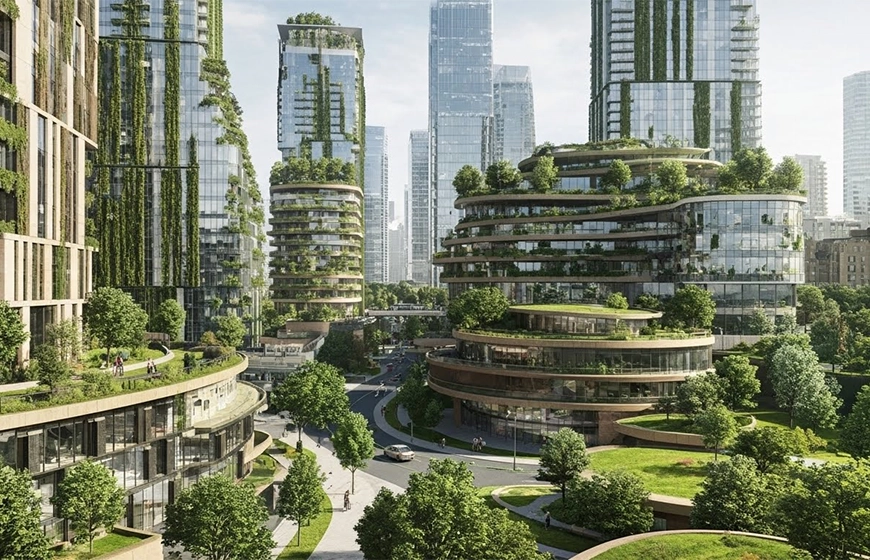
High-rise mixed-use towers will integrate residential, commercial, and recreational functions within compact footprints.
Climate-Resilient Infrastructure
Designs will account for rising temperatures, extreme weather, and resource scarcity.
Circular Economies
Waste will be reimagined as a resource, with recycling and energy recovery built into urban systems.
ACE Consulting Engineers: Delivering Future-Ready Communities
ACE Consulting Engineers provide large-scale expertise that merges international standards with local insights. Their commitment to smart, green, and resilient design ensures that projects meet both today’s needs and tomorrow’s challenges.
Stay updated with their innovative projects on Instagram: ACE Consulting Engineers Instagram.
Conclusion
Designing greener cities is not just an architectural challenge—it is a responsibility toward future generations. Through urban planning for smart cities, the UAE is redefining how communities can thrive sustainably, blending technology with human-centered design.
By prioritizing sustainability, embracing innovation, and fostering international collaboration, UAE clients and developers can shape communities that stand as global benchmarks.
If your vision is to contribute to a smarter, greener future, now is the time to partner with experts who can make it a reality. Begin your journey with ACE Consulting Engineers and see how visionary design transforms into sustainable legacy.