

Smart Construction
Imagine standing at the base of the Burj Khalifa in Dubai, gazing up as it pierces the clouds.Its sheer scale inspires awe, but behind its beauty lies something invisible yet indispensable—structural engineering. Without it, such skyscrapers would never reach the sky, let alone withstand the desert winds, seismic forces, or the weight of thousands of tons of concrete and steel.
For the UAE, where skylines are a symbol of progress and ambition, structural engineering is more than a technical discipline—it is the foundation of every landmark tower, luxury villa, and futuristic development. Behind every record-breaking height or innovative façade is a team of structural engineers ensuring safety, stability, and sustainability
In this article, we explore why structural engineering is the backbone of skyscrapers, how it
shapes modern urban landscapes, and why it is crucial for ambitious projects in the UAE.

What Is Structural Engineering?
Defining the Discipline
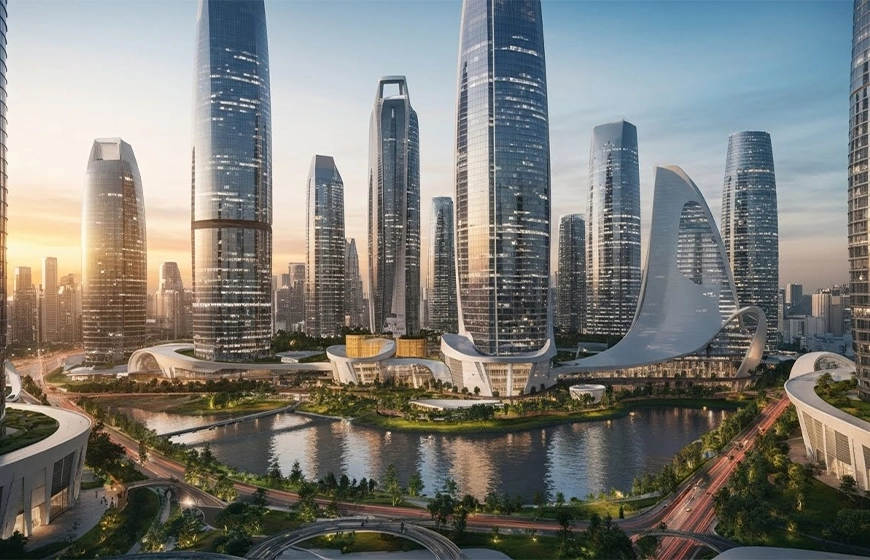
Structural engineering is a specialized branch of civil engineering that focuses on the design, analysis, and integrity of structures. It ensures that buildings and infrastructure can withstand forces such as gravity, wind, earthquakes, and human use while maintaining functionality and safety.
Key Responsibilities of Structural Engineers
• Designing load-bearing frameworks for skyscrapers and large-scale buildings.
• Ensuring buildings comply with safety codes and international standards.
• Selecting materials that balance strength, durability, and sustainability.
• Anticipating risks such as seismic activity, high winds, or extreme temperatures.
In essence, structural engineering transforms architectural dreams into physical realities.
The Role of Structural Engineering in Skyscraper Design
1. Stability and Safety
At extreme heights, skyscrapers must resist enormous forces.Structural engineers design deep foundations, reinforced cores, and bracing systems that allow towers to stand tall while staying stable.
2. Load Distribution
Skyscrapers must support not only their own massive weight but also people, furniture, equipment, and wind pressure. Structural engineers ensure that these loads are safely distributed through columns, beams, and foundations.
2. Load Distribution
Skyscrapers must support not only their own massive weight but also people, furniture, equipment, and wind pressure. Structural engineers ensure that these loads are safely distributed through columns, beams, and foundations.
3. Flexibility Under Stress
Contrary to intuition,skyscrapers are designed to sway slightly in strong winds. This flexibility prevents structural damage, reduces stress on materials, and ensures occupant safety.
4. Integration with Architecture
Structural engineers work hand in hand with architects to make bold designs feasible. From twisting towers to curved façades,

Lessons from the UAE’s Iconic Towers
Burj Khalifa – The Pinnacle of Structural Ingenuity
At 828 meters, the Burj Khalifa remains the world’s tallest building. Its Y-shaped base, reinforced concrete core, and tiered structure exemplify how structural engineering pushes boundaries.
Cayan Tower – The Twisting Marvel
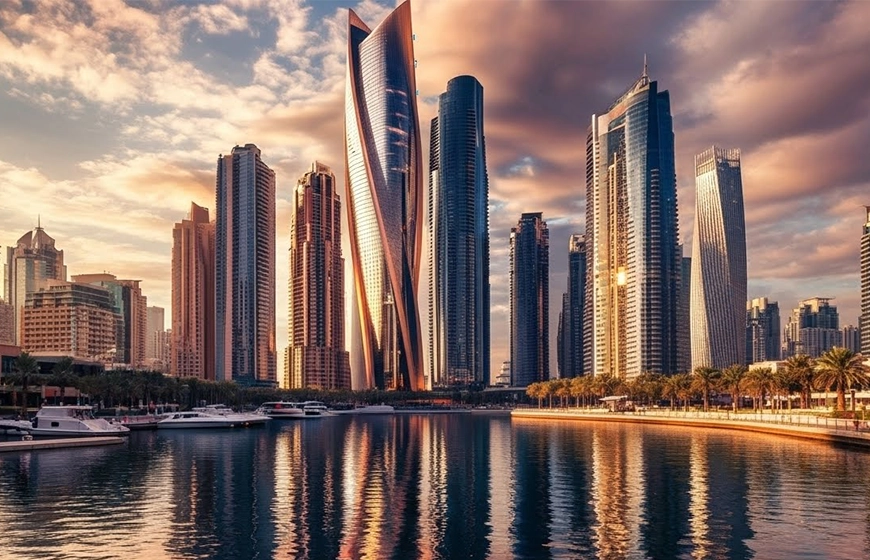
The 90-degree twist of Cayan Tower in Dubai Marina showcases how structural engineers blend aesthetics with physics. The tower’s central core ensures stability despite its unconventional shape.
Abu Dhabi’s Capital Gate – The Leaning Tower of the UAE
This skyscraper leans 18 degrees westward, more than four times the tilt of Pisa. Such daring architecture is possible only because of advanced structural engineering techniques like a deep foundation and pre-cambered core.
Key Innovations in Structural Engineering for Skyscrapers
1. High-Strength Materials
Modern skyscrapers use ultra-high-performance concrete and advanced steel alloys that support greater loads with slimmer profiles.
2. Tuned Mass Dampers
These massive counterweights are installed near the tops of skyscrapers to counteract sway from wind or seismic activity.
3. Composite Systems
By combining steel and concrete, engineers create structures that maximize strength while reducing overall material costs.
4. Digital Design Tools
Building Information Modeling (BIM) allows engineers to simulate and optimize designs,
identifying risks before construction begins.
Structural Engineering and Sustainability
In the UAE, where sustainability is central to Vision 2030, structural engineering plays a vital role in green construction:
• Efficient use of materials reduces waste and carbon footprint.
• Designing for energy efficiency ensures skyscrapers minimize operational costs.
• Renewable integration such as solar panels and wind turbines is supported by structural planning.
• Lifecycle analysis ensures buildings are durable and easier to maintain.A well-engineered skyscraper is not just strong—it is also sustainable for decades to come.

The Challenges of Structural Engineering in the UAE
Climate Considerations
• High temperatures cause expansion in concrete and steel.
• Sandstorms require facades and structures to withstand abrasive winds.
Seismic and Wind Forces
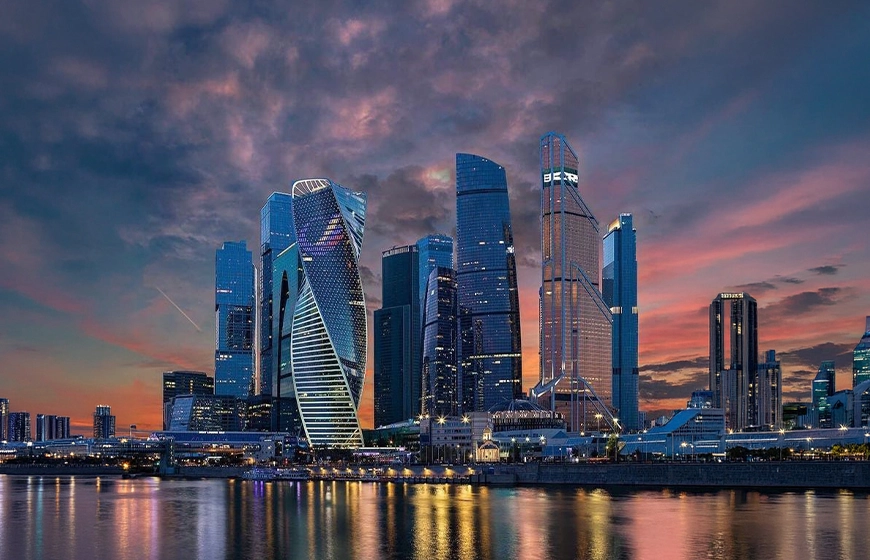
While the UAE is not highly seismic, engineers must still account for potential tremors and significant wind forces due to building heights.
Ambitious Architectural Designs
With architects pushing boundaries, structural engineers must constantly innovate to deliver safe, practical, and visually stunning results.
Why Structural Engineering Is Essential for Large-Scale Projects
For investors, developers, and government agencies, structural engineering is the cornerstone of project success. It ensures:
• Safety: Protecting lives and assets.
• Durability: Extending building lifespan.
• Cost-efficiency: Avoiding structural failures that lead to massive financial losses.
• Prestige: Enabling record-breaking and iconic designs.
Without structural engineering, skyscrapers would remain sketches on paper rather than monuments of modern civilization.
The Role of Expertise and Consultancy
Delivering skyscrapers of global significance requires more than individual talent—it demands integrated expertise. Firms like ACE Consulting Engineers provide comprehensive services, from concept to completion. Their experience in structural engineering, architectural design, and project management ensures that every skyscraper not only meets but exceeds international standards.
For a closer look at their portfolio and ongoing projects, visit their Instagram profile.
As the UAE continues to redefine skylines, structural engineering will evolve with:
• AI-driven design for predictive modeling.
• Smart materials that adapt to environmental changes.
• Modular construction for faster and safer skyscraper development.
• Net-zero towers that align with global sustainability targets.
The future belongs to those who can merge engineering excellence with visionary design.
Conclusion: Building Tomorrow’s Legacy Today
Skyscrapers are more than tall buildings—they are symbols of ambition, innovation, and national pride. Yet none of this is possible without structural engineering, the invisible backbone that ensures strength, safety, and longevity.
For UAE clients seeking to create landmarks that define the future, partnering with expert consultants is essential. With ACE Consulting Engineers, you gain a trusted partner capable of transforming visionary designs into structural realities.
Your skyscraper should not only rise above the city—it should stand as a legacy of engineering excellence. Discover how ACE can bring your vision to life by visiting their Instagram page.